
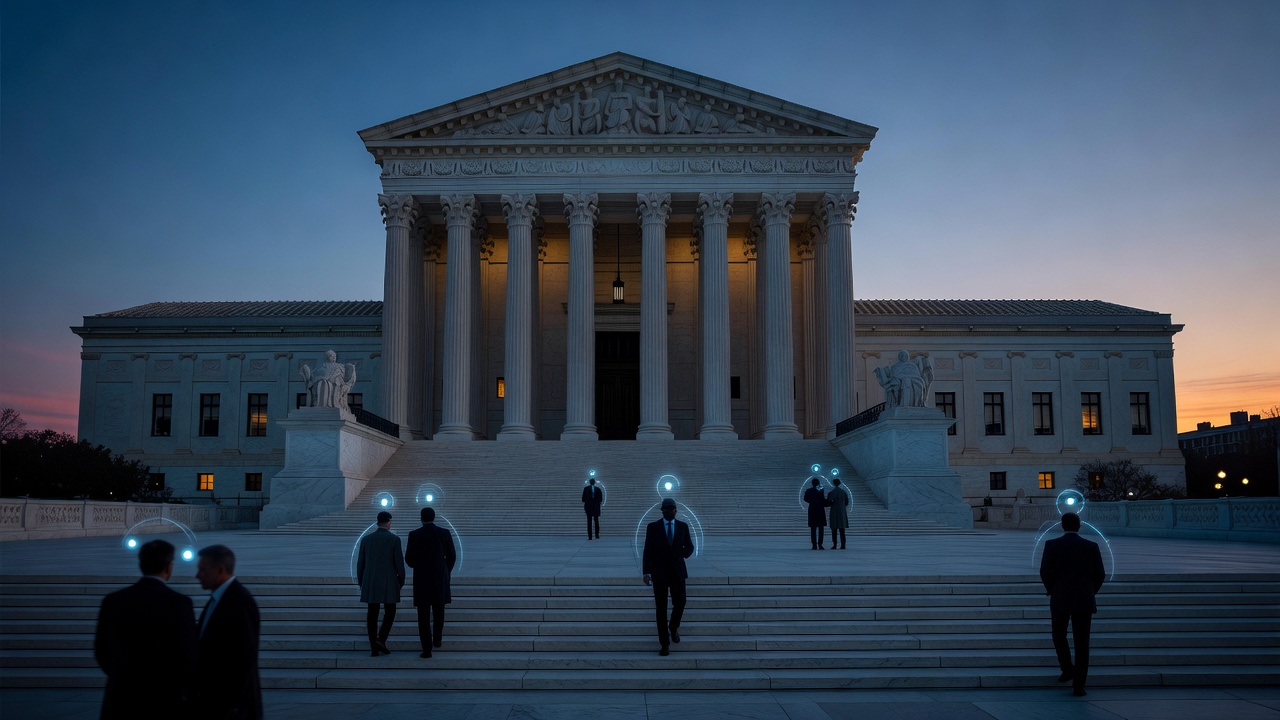
The Supreme Court ruled that the Constitution protects people's location data from police surveillance. Short-term tracking of movements is considered a search under the Fourth Amendment. This decision limits geofence warrants used to collect data from devices near crime scenes.
The U.S. Supreme Court made an important decision about privacy today. It stated that the Constitution gives protection to location data which shows where people go in the real world. Even if police watch these movements for only a short time, it counts as a search. This means the Fourth Amendment applies and requires proper warrants in most cases.
The case focused on geofence warrants. These are tools police use to collect location information from all devices in a certain area around a crime. It is a form of wide surveillance that can affect many people who have nothing to do with the event. The court said this practice needs to respect privacy rules to avoid overreach by authorities. The decision stops broad data sweeps that invade the lives of innocent citizens.
This ruling helps protect everyday citizens from unnecessary tracking. It came after groups working for digital rights joined the legal effort. The result limits how much data police can gather without strong reasons. Overall, it strengthens the idea that personal movements should stay private unless there is a good legal basis for investigation. The outcome sets a key precedent for future cases involving technology and rights.
Original Author: Andrew Crocker | Source: EFF
 261.733 SRY