
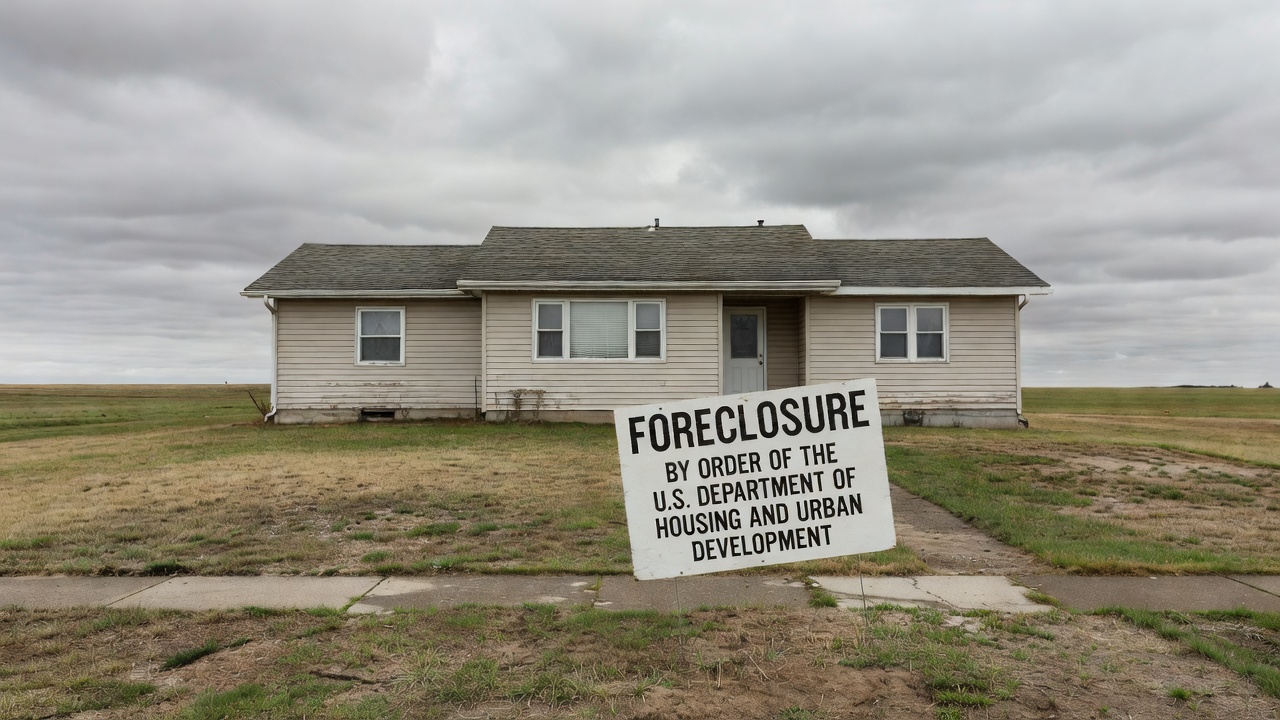
The Supreme Court ruled that tax foreclosure sale proceeds meet the just compensation rule for owners. This unanimous decision seems to hurt homeowners and property rights. Yet serious questions remain about whether such foreclosures violate the Constitution.
The case of Pung v. Isabella County centered on what happens when the government seizes a home for unpaid taxes and sells it at auction. The court decided that the money from the sale counts as fair payment to the former owner under the Constitution. This view treats the full auction price as enough to satisfy legal requirements.
Many see this as a clear setback for people facing foreclosure. Homeowners often lose homes worth far more than their tax debt, yet they receive nothing extra. The ruling could make it harder for owners to challenge these sales and keep some of the value they built over time.
Critics argue that tax foreclosures may still amount to unconstitutional takings in some cases. If the government keeps surplus funds beyond the debt owed, it raises issues of fairness and due process. Future legal challenges could test these limits and protect more property rights for average citizens.
Original Author: Rachel Chiu | Source: FEE
 481.677 SRY