
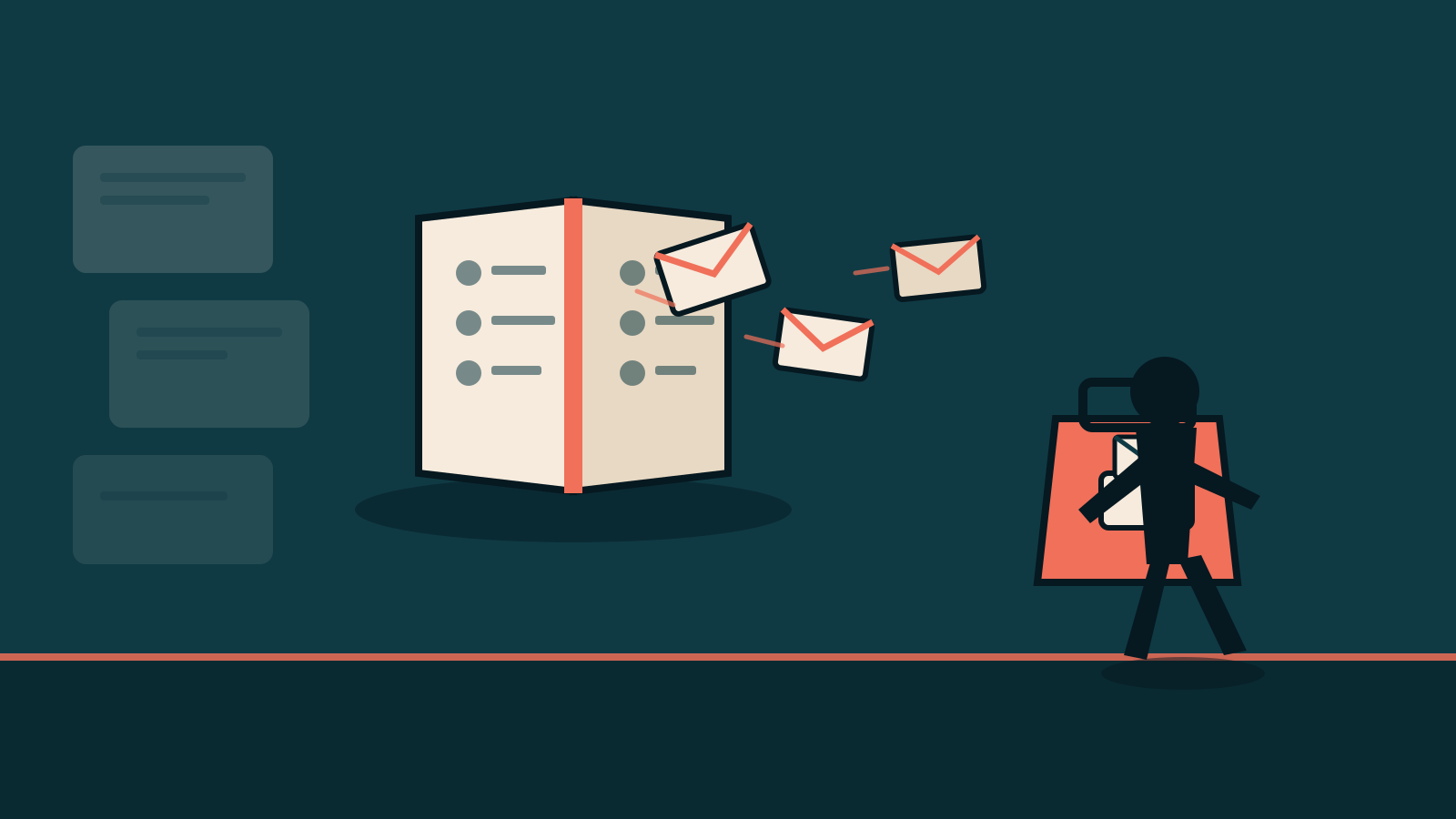
In the US creator economy, follower counts feel like proof you matter. They are not proof you can leave. The durable asset is the direct relationship you can move: the email list and the readers who chose to hear from you outside a feed.
Newsletter writers, indie journalists, podcasters, and small publishers across the United States spend years stacking follows on rented networks. The number climbs, the posts travel, and it feels like ownership because people keep showing up. Then a feed changes, a recommendation slot shrinks, or a creator decides to leave, and the crowd that looked solid suddenly has no clear way to follow. That gap is not a failure of talent. It is the difference between attention that sits inside someone else's product and a relationship that can travel with you.
Follower counts do not travel
A follow is a soft bookmark inside an app. The reader taps once, the platform stores the preference, and your next post may or may not appear depending on ranking, timing, and whatever the product is pushing that week. You did not receive an address. You received a place in a queue you do not control. When the queue thins out, the relationship thins with it, even if the old follower total still looks impressive on a profile page. Counts measure past interest. They do not guarantee future contact.
That is why so many US creators feel rich in audience and poor in reach at the same time. They can see the number. They cannot reliably open a channel to the people behind it. If your only durable link to readers is a notification bell on a network you do not run, you are leasing attention, not holding a portable relationship. The lease can be useful. It should not be mistaken for the deed.
Why the inbox relationship moves with you
An email list is different in kind, not only in format. Someone gave you a way to reach them that does not depend on a feed's mood. They opted into hearing from you. You can write, send, and keep the conversation alive from a home you control, and if you change publishing tools you can usually take the addresses with you. Exportability matters here. A spreadsheet of consented contacts is not glamorous, but it is a relationship file you can move. A follower graph trapped inside one product is not.
Owning the subscriber relationship does not mean locking readers in a vault. It means the path between you and the people who care about your work does not vanish when an algorithm shifts. It means you can announce a new site, a new show, a new experiment, and the message still lands. Platforms remain useful roads for discovery. The list is the suitcase you pack so the trip does not strand you when one road closes.
Owned distribution without quitting discovery
Many creators leave fee-heavy, all-in-one publishing lanes for the same structural reason: they want distribution they can carry. The pitch of a closed platform is speed and simplicity. The quiet trade is that the audience habits, the billing path, and sometimes the only reliable contact method all live inside that product. Moving toward owned distribution is not a moral crusade against convenience. It is a practical decision to put the lasting relationship on ground you can stand on if the product changes the rules.
Serey is an all-in-one publishing platform for creators, journalists, and small businesses who want a website, blog, shop, podcast, video channel, and community in one place. Its mission is that creators should own their platform, their audience, and their earnings rather than depend on services that control reach and can remove content or accounts. Creators can optionally timestamp work as proof of authorship. Founded in 2018, Serey operates as a US LLC. Soft contrast is enough: the point is whether your readers can still find you when a feed goes quiet.
If your biggest platform vanished tomorrow, could the people who care about your work still hear from you?

 186.202 SRY