


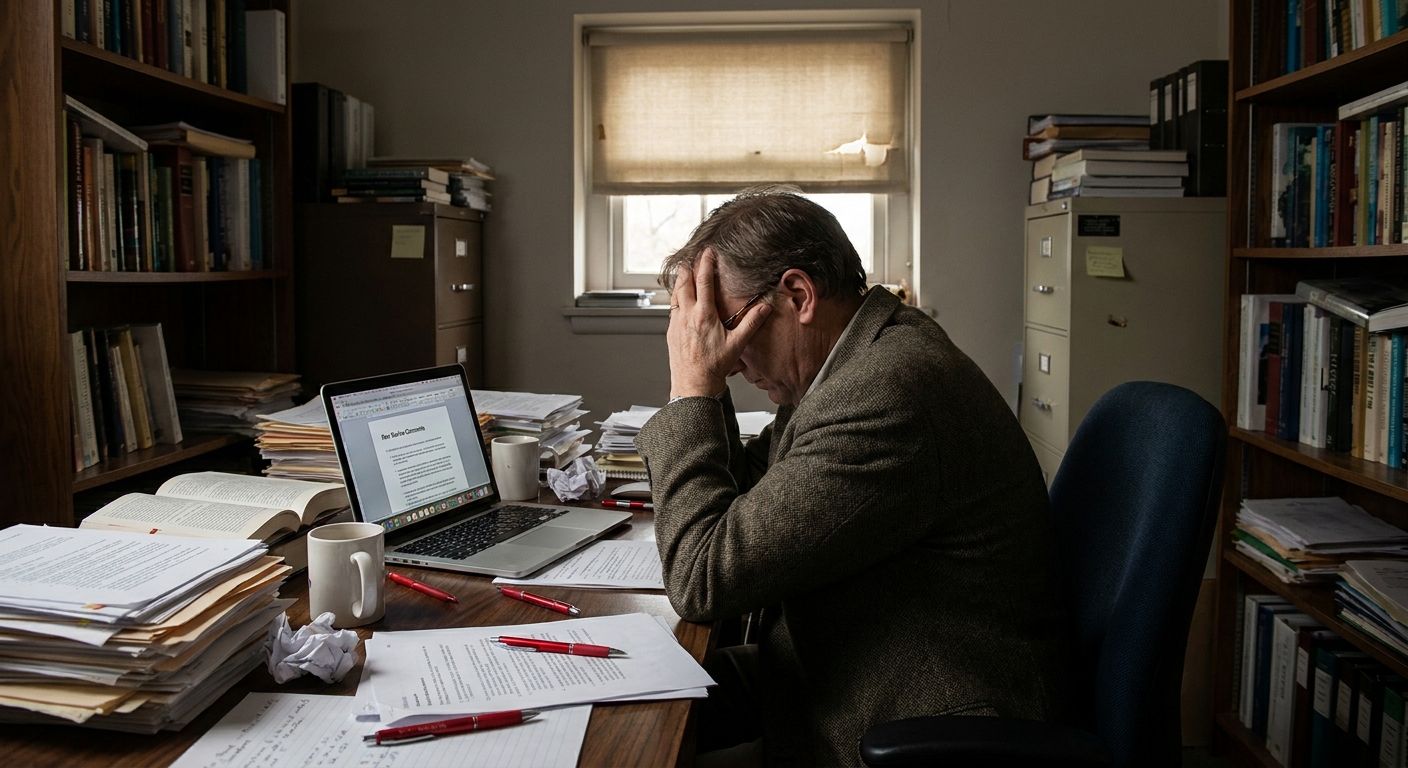
The peer-review system, a key part of academic work, is in trouble. Many experts say it’s broken. This article explores why it’s failing and offers easy ideas to make it better.
The peer-review system has long been a trusted way to ensure quality in academic research. Scholars review each other’s work before it gets published to check for accuracy and value. But now, many in academia believe this system is failing. Rob Jenkins from Brownstone Institute, along with co-author Michael R. Jenkins, an Assistant Professor at Mississippi State University, points out serious flaws. They argue that the process often lacks fairness and can be slow or biased.
Why is peer review struggling? One big issue is that reviewers are often overworked and unpaid, leading to rushed or poor reviews. There’s also a lack of transparency—authors don’t always know who reviews their work or why it’s rejected. This can create mistrust. Jenkins suggests that these problems are deep, but not impossible to solve. The system doesn’t need to be thrown out; it needs smart changes.
So, how can we fix it? Simple steps like paying reviewers for their time or making the process more open could help. Encouraging faster reviews and training reviewers better are also good ideas. By making these changes, academia can rebuild trust in peer review. It’s not too late to save this important system and ensure research stays reliable for everyone.
Original Author: Rob Jenkins | Source: Brownstone Institute

 0.000 SRY