
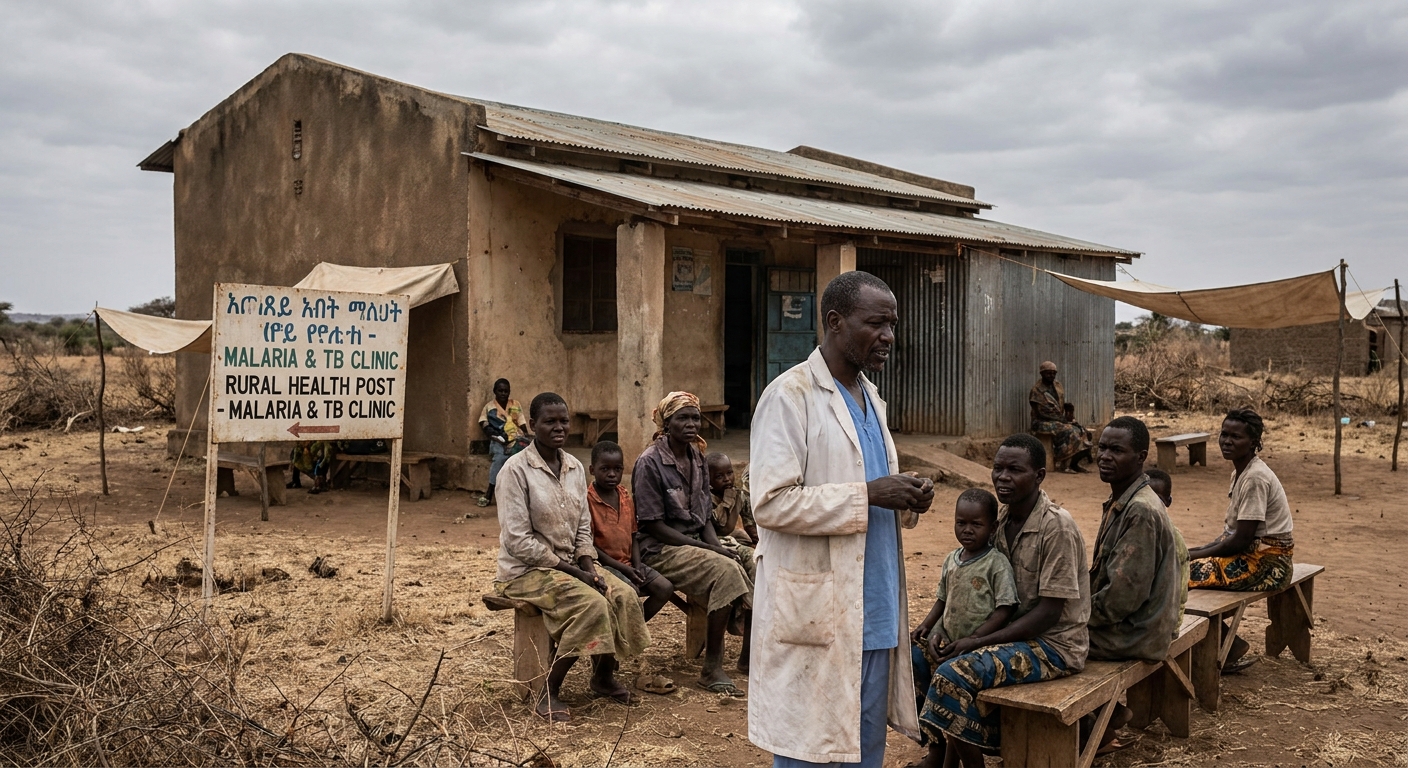
Hantavirus raises tough questions about global health priorities. While thousands die daily from malaria and TB, the WHO faces criticism for focus and funding. David Bell at Brownstone Institute highlights this urgent conflict.
Every day, nearly 2,000 young children lose their lives to malaria because they can’t get cheap, effective treatment in time. Another 4,000 people, including young adults, die from tuberculosis, often leaving families behind. These tragic numbers are not new, but progress to reduce them has slowed. David Bell from the Brownstone Institute points out that the economic fallout from the Covid-19 response has made things worse, pulling resources away from these preventable deaths.
Amid this crisis, debates around diseases like Hantavirus bring fresh questions. While Hantavirus is a serious concern, some argue that the World Health Organization (WHO) must focus on bigger killers like malaria and TB. Critics say the WHO’s priorities and funding often miss the mark, leaving millions at risk. Bell’s analysis suggests that global health leaders need to rethink how they measure the true cost of diseases—not just in lives lost, but in the wider impact on communities.
This conflict isn’t just about numbers; it’s about fairness. Should rarer diseases get attention when common ones kill thousands daily? As economic challenges grow, the world watches how the WHO will balance these tough choices. The fight for better health continues, but the path forward remains unclear.
Original Author: David Bell | Source: Brownstone Institute

Comments