
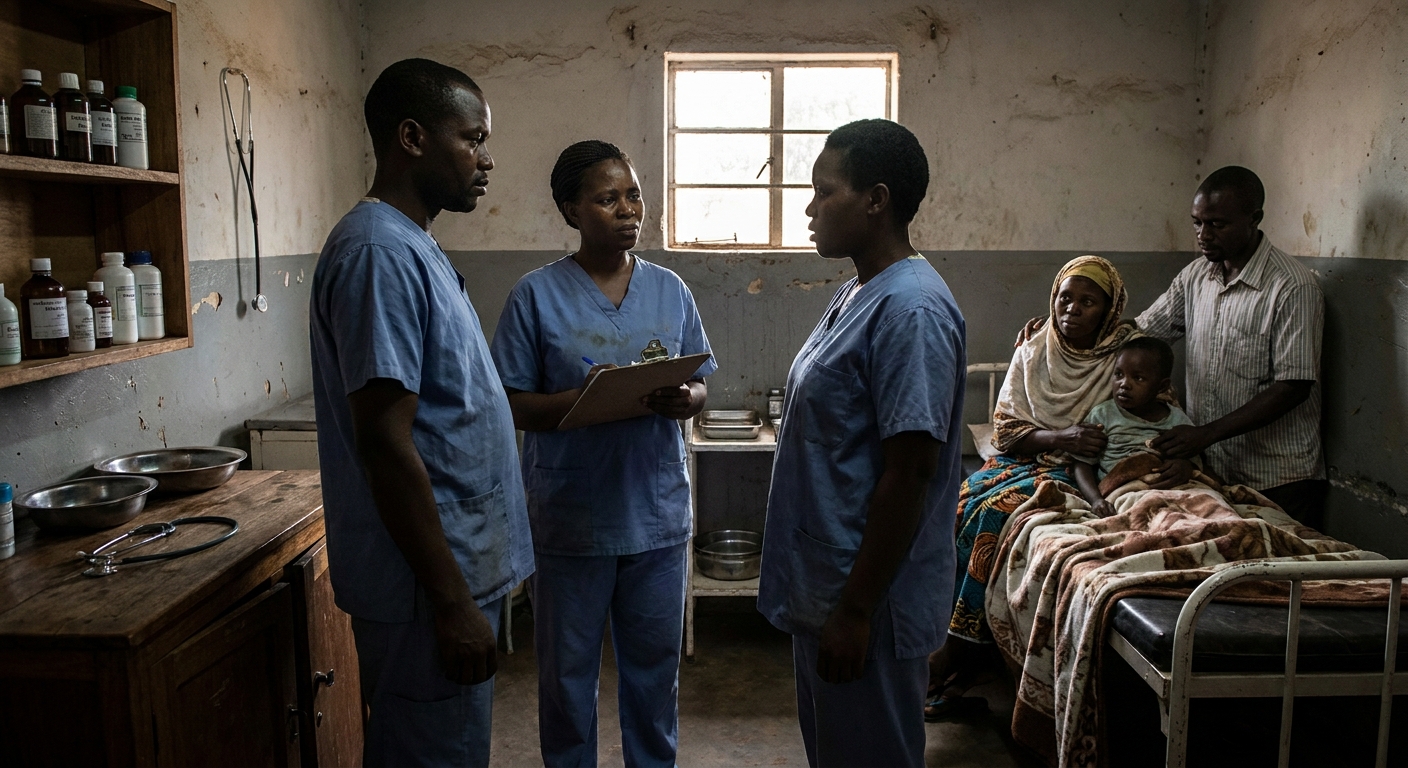
Hantavirus raises tough questions about global health priorities. While thousands die daily from malaria and TB, the WHO faces criticism for its focus. Are we measuring the real cost of mortality correctly?
Every day, nearly 2,000 young children lose their lives to malaria because they can’t get cheap, effective treatment in time. Another 4,000 people, including many young adults, die from tuberculosis (TB), often leaving behind orphans. These tragic numbers are not new, but progress to reduce them is slowing down. Some blame the economic fallout from the Covid-19 response for diverting resources and attention from these preventable deaths.
Amid this crisis, the World Health Organization (WHO) is under scrutiny for how it weighs the importance of different health threats. Hantavirus, a rare but deadly disease, has sparked debate about global health priorities. Critics, like David Bell from the Brownstone Institute, argue that the focus on less common diseases can pull attention away from bigger killers like malaria and TB. They question if the WHO’s approach truly reflects the real cost of mortality across the world.
This conflict highlights a deeper issue: how do we decide which lives to save first? With limited funds and resources, the world must balance urgent threats against ongoing crises. The discussion around Hantavirus and WHO’s policies reminds us that every decision in global health carries a heavy weight. It’s a call to rethink how we measure and tackle death on a global scale.
Original Author: David Bell | Source: Brownstone Institute

Comments